





Health Care Executives
Our scalable health care solutions align and integrate with your strategic goals to improve quality, accelerate decision-making, and propel progress across all service lines.
Services:

Clinicians
We are committed to empowering physicians, nurse practitioners, and physician assistants with the tools, technology, and support needed to deliver exceptional patient care.
- Nationwide opportunities
- Work-life balance
- Leading benefits
- Market-based compensation
- Remote care delivery
- Residency positions
- Career development
- Clinical technology tools
- Ongoing training and education
Join Our Team
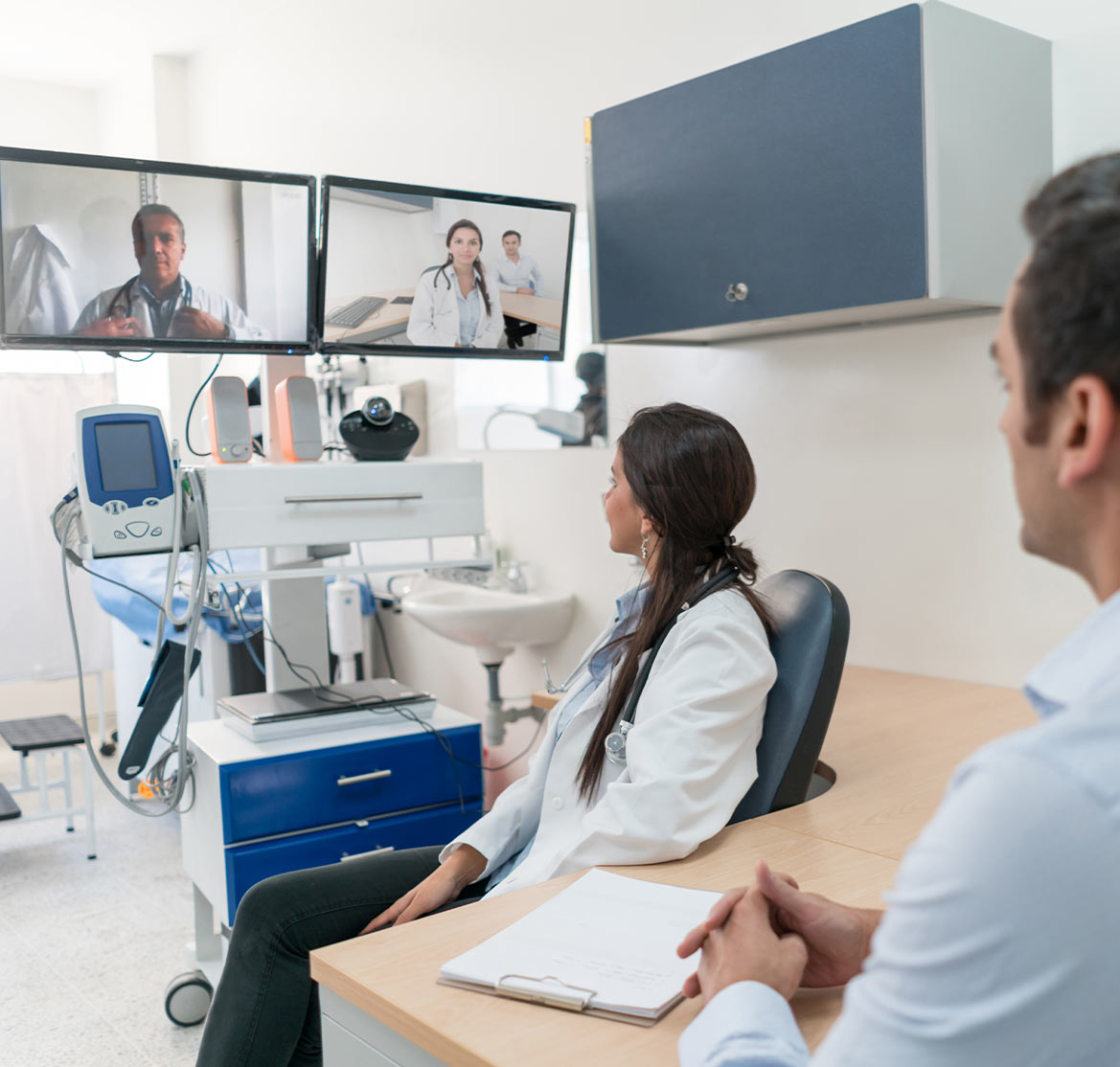
A leader in clinical practice management, we work to align clinical and operational teams in order to deliver exceptional patient care and make a difference in the health care industry. Join our team and become a part of the revitalization of health care across the nation.
- Values-based environment
- Remote, hybrid, and in-person opportunities
- Company stability and growth
- Significant employee support
- Work-life balance
- Comprehensive benefits
- Market-based compensation
Health Solutions
SCP Health is where healing meets performance. Our solutions balance the unique needs of health care organizations to propel clinical and operational progress and accelerate each organization's strategy.
 Care Delivery
We provide innovative care delivery models, so you can revitalize your organization and improve quality across the continuum of care. In addition to expanding care delivery support with advanced technology tools, we partner with your health system to assess operational efficiencies and implement proven technology and management strategies to maximize your resources.
- Scheduling
- Standardization of care
- In-person care delivery
- Virtual care delivery
- Discharge processes
 Clinical Staffing
We create solutions that go beyond recruiting and staffing clinicians, balancing the needs of your organization, and providing support every step of the way. We onboard, credential, and enroll new clinicians as well as invest in their growth with training, leadership development, and education opportunities. With our administrative support and proprietary technology application, mySCP, clinical teams can focus on delivering exceptional patient care.
Robust Recruiting and Retention
- Screening, interview, credential, and enrollment programs
- Dedicated provider resources team
- Data and performance-based training
- 70+ full-time recruiters dedicated by specialty
Clinician Development and Engagement
- Annual Medical Leadership Conference (MLC)
- Group Medical Officer and Medical Director support
- Leadership development
- Continuing medical education opportunities
 Clinical Workforce Optimization
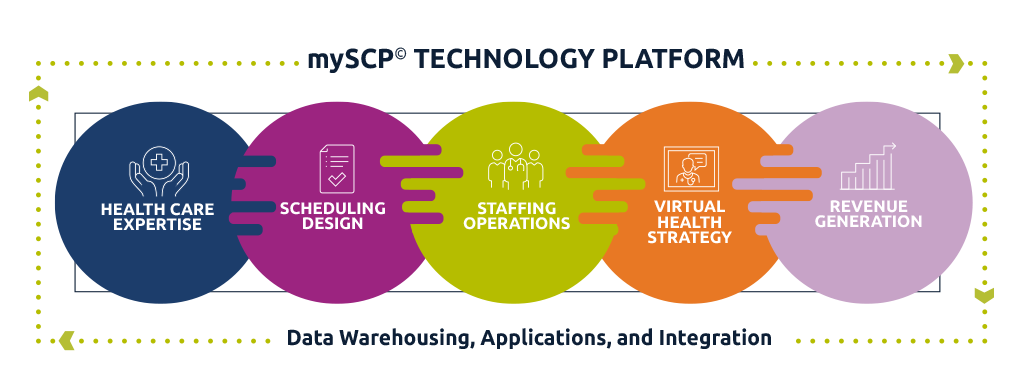
With 50 years of experience in deploying clinical care and practice management experience, we leverage talent, tools, and technology, including AI-driven dynamic staffing, to support all aspects of clinical care, health, and wellness while accelerating and scaling your strategy.
We align organizational needs and strategies for you, while deploying efficient and effective processes and technologies, to deliver the best outcomes possible for our partners and our patients to be able to engage and support our clinicians, improving performance and retention.
Our Clinical Workforce Optimization Model includes:
- Health care expertise
- Scheduling design
- Staffing operations
- Virtual health strategy
- Revenue generation
 Documentation & Revenue Cycle
Our financial solutions help you realize your hospital’s potential while reducing administrative burden. We craft strategies for maximizing resources, streamlining processes, advancing operational efficiency, and lowering total physician management costs. Our team of documentation and revenue cycle management experts provides a wealth of support through customized plans for your unique financial needs.
Cost Management
- Minimize waste
- Achieve pricing gains
- Distribute subsidy costs
- Reduce recruiting costs
Revenue Growth
- Increased capacity
- Enhanced patient loyalty
- Documentation support
- Revenue cycle consulting
 Virtual Health
Health care extends beyond the four walls of the hospital. Our virtual health solutions apply advanced technology that broadens your reach and increases the impact of your care. Clinical support at every stage of the health care journey serves to increase patient satisfaction, maximize clinician engagement, and build community trust.
- Clinical outreach
- Care coordination
- Virtual care delivery
- Employer and patient engagement
 Advanced Care in the Home
Our virtual clinical care teams help health systems and hospitals extend high-quality, acute patient care beyond the four walls of the hospital and into patients’ homes.
Our Advanced Care in the Home solution is an extension of your institution, providing exceptional, evidence-based patient care from admission through post-discharge follow-up to improve patient outcomes and reduce gaps in care from hospital to home.
 Clinical Integration
Our clinical and operational experts design solutions to align and integrate processes and understanding across departments. Clinical integration optimizes your financial spend and allows for cross-subsidization while resulting in the best possible clinical outcomes.
Our clinical integration solution help enables the:
- Development of joint operating committees (JOC)
- Cross-department reporting and analytics
- Integration guidance and playbook
- Alignment of goals and measures between hospital medicine and emergency medicine
Clinical Services Results
Our commitment to continuous improvement in quality is evident in our results.

97% Clinician Retention Rate

99% MIPS
Scores

<1% Locums
Usage

15% Average Collections Increase
Health Care Services Experience
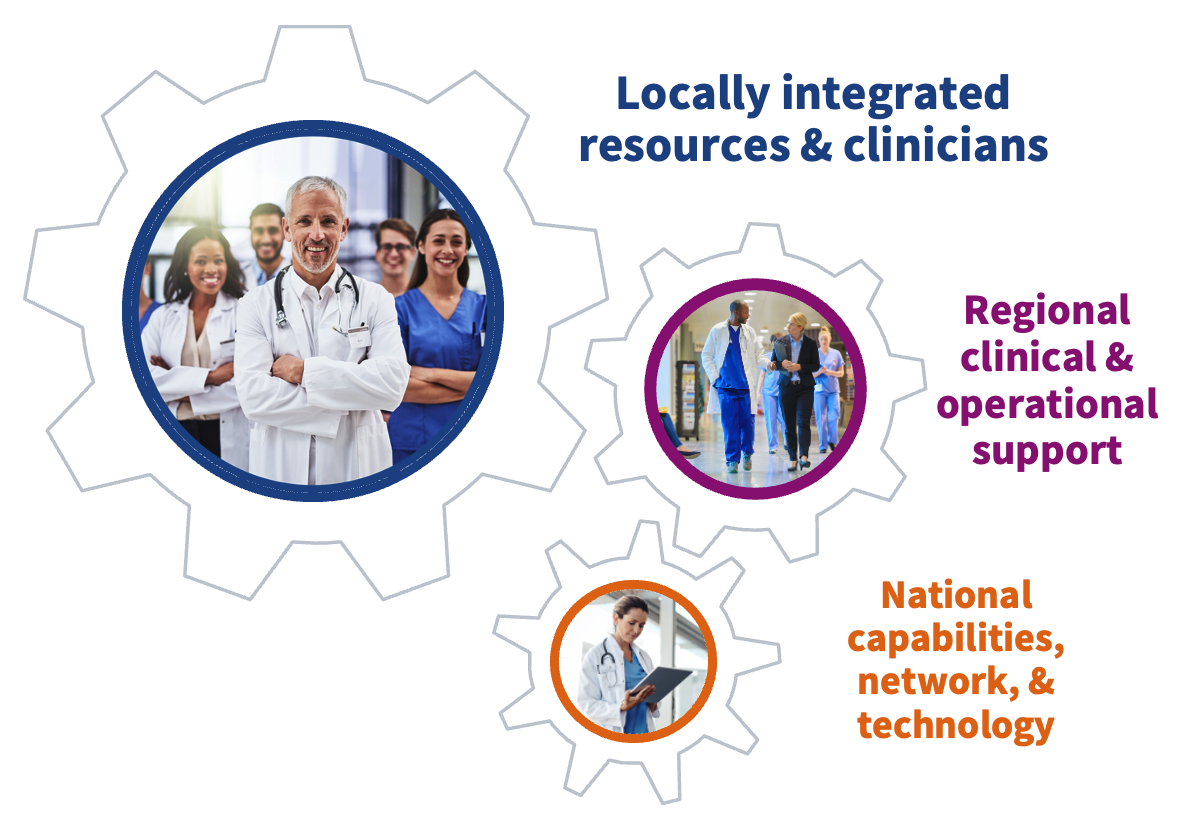
A Local, Regional, and National Approach
Capability Hubs
We structure systems for success, integrating technology, tools, and talent into a closed-loop process that amplifies evidence-based approaches, reinforces training and enablement, and ensures outcomes are achieved.
Local
- Recruit and retain local clinicians and medical directors and align with your strategic goals
Regional
- Provide regional operational and clinical leadership support, training, and guidance
National
- Invest in nationwide technology, resources, and capability development
Working with a
Health Care Partner
We pride ourselves in being a leader in the health care industry, always moving forward with innovative ideas to revitalize health care at every level. Our clinical and operational teams work together to sustainably extend the reach and increase the impact of health care across the nation.
Join Our Team4 Strategies to Transform the ICU by Bringing the C-Suite to the Bedside
While the ICU is a critical component of the hospital, it is often viewed as an expensive cost center. Erika Gabbard, DNP, RN, CCNS, CCRN-K explores how to break through siloed thinking and create a new, comprehensive approach and mindset to bring C-suite professionals to the bedside, achieving strategic needs of the hospital and aligning holistic cost with complex clinical management and the well-being of patients who require ICU-level care.
Latest White PaperClinical Workforce Optimization
Innovation and Technology

Innovation
Technology
Clinical Integration
Aligning Departments and Transforming Outcomes
With five decades of hospital practice management experience, our experts believe clinical integration delivers the best possible clinical outcomes and drives transformation in effectiveness, efficiency, and growth. An interdepartmental collaborative approach optimizes your financial spend and allows for cross-subsidization while delivering exceptional patient care.



- Implementing JOC
- Aligning Your Team
- Preventing Conflicts





0
+
states
0
+
health care facilities
0
M+
patients treated annually
0
+
talented clinicians

Featured Post
Annual Review 2022
SCP Health's 2022 Annual Review details our newly expanded portfolio, quality performance metrics and reports, and nation-wide health care advocacy opportunities.
Contact Us
Interested in a strategic health care partnership or career advancement by working with SCP Health? Please reach out by filling out the form to:
- Schedule a VIP meeting
- Request a consultation
- Speak with a clinical expert
- Chat with a recruiter
- Get in touch with a scheduler
- Contact a sales representative